
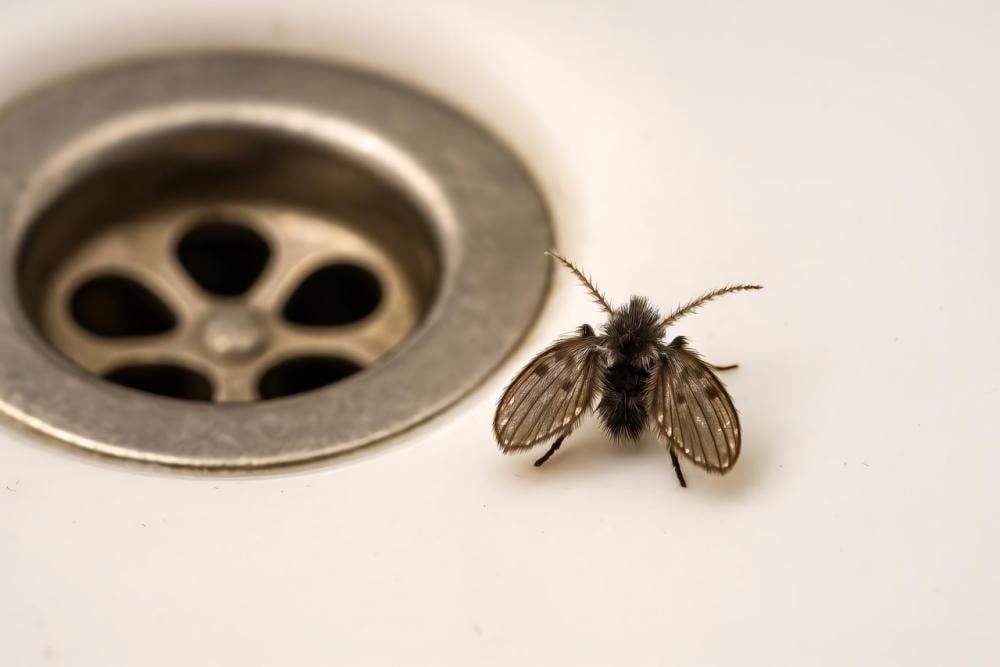

Have you noticed small insects in the bathroom appearing on the walls or near the drains and sinks? If they are small, gray or dark in color, and have broad wings that make them look like a small butterfly, they are most likely drain flies , also known as sewer flies.
This insect typically appears in areas with moisture and organic matter, so its source may be inside the drain or sewer itself, not on the bathroom floor. Effectively eliminating it depends on identifying the infestation, controlling existing insects, and treating eggs, larvae, and breeding sites to prevent the problem from recurring.
What is a pigeon bug?
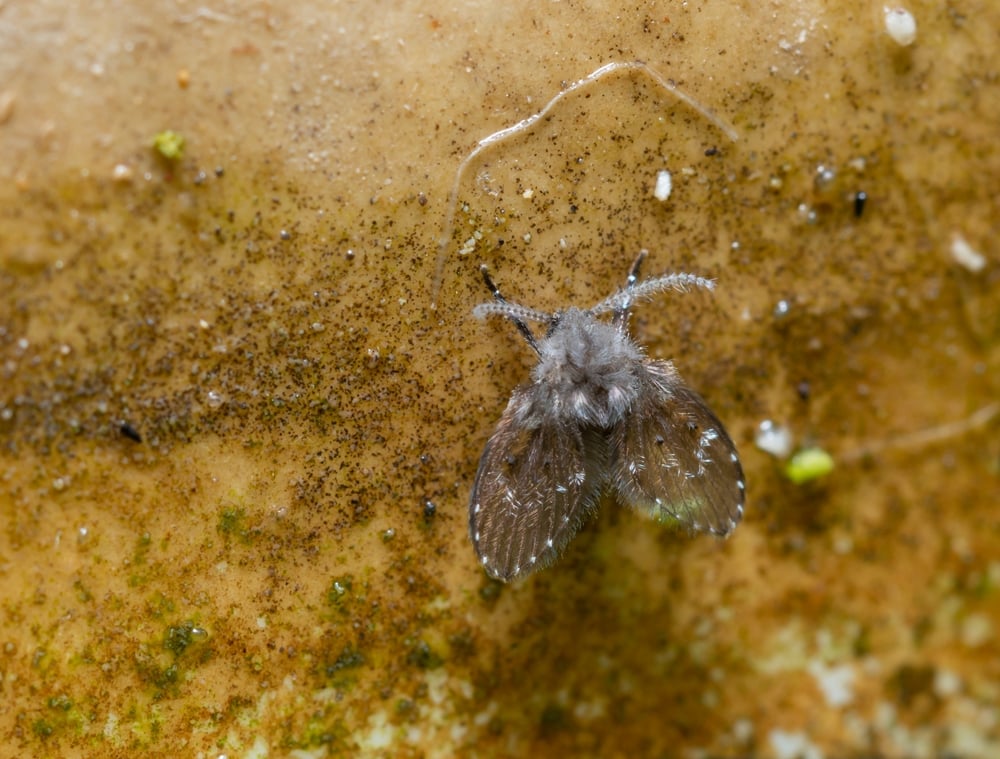
The term "bathroom bug" is a common description people use for small insects found in toilets, not a scientific name for a specific species. However, when the insect is small, butterfly-like, and frequently appears around drains and sinks, it is most likely a drain fly .
Drain flies belong to the family Psychodidae and are associated with damp areas containing organic matter. They can lay their eggs in the damp layers that accumulate inside some drains, where the larvae find a suitable environment to develop before turning into adults.
Therefore, you may notice the disappearance of the insects present after control, and then the appearance of new individuals later if the infestation remains untreated.
What does a pigeon bug look like?
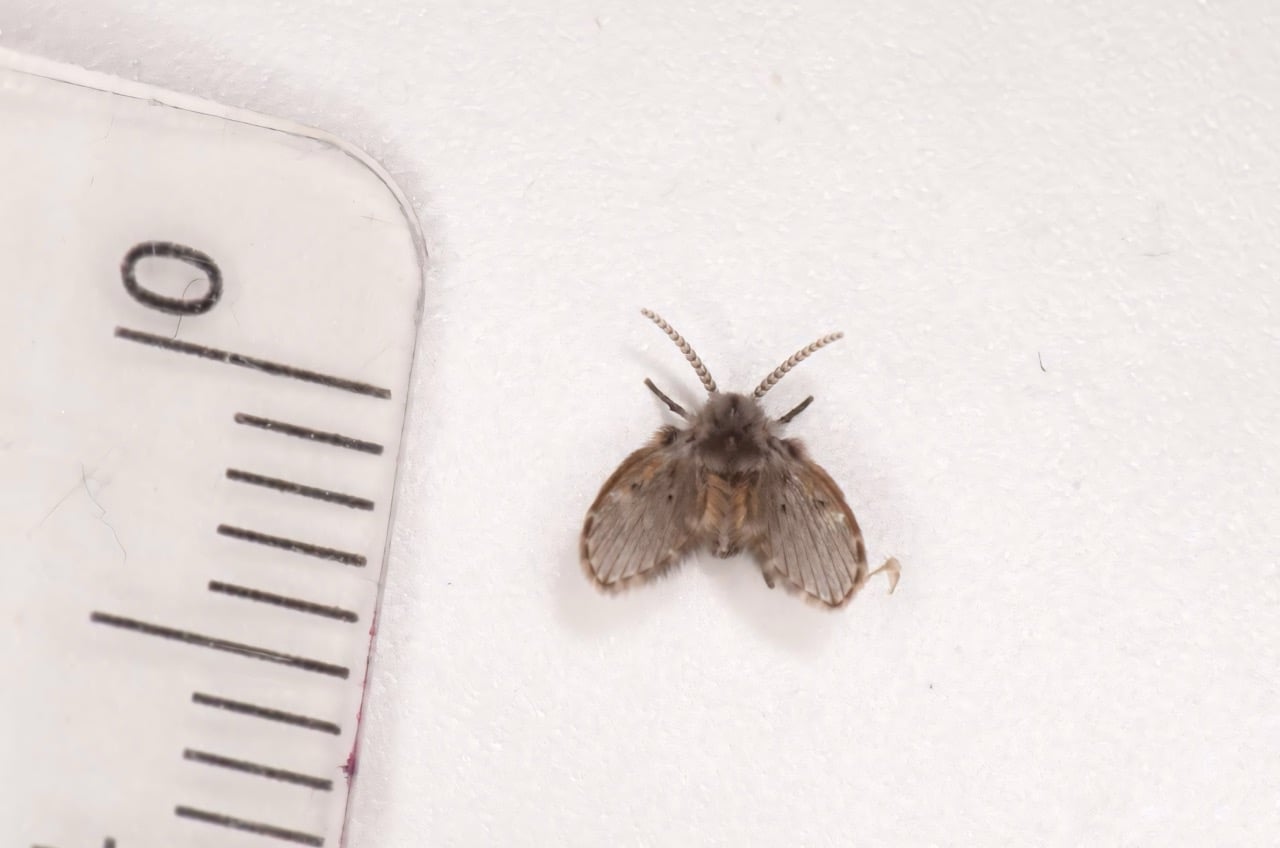
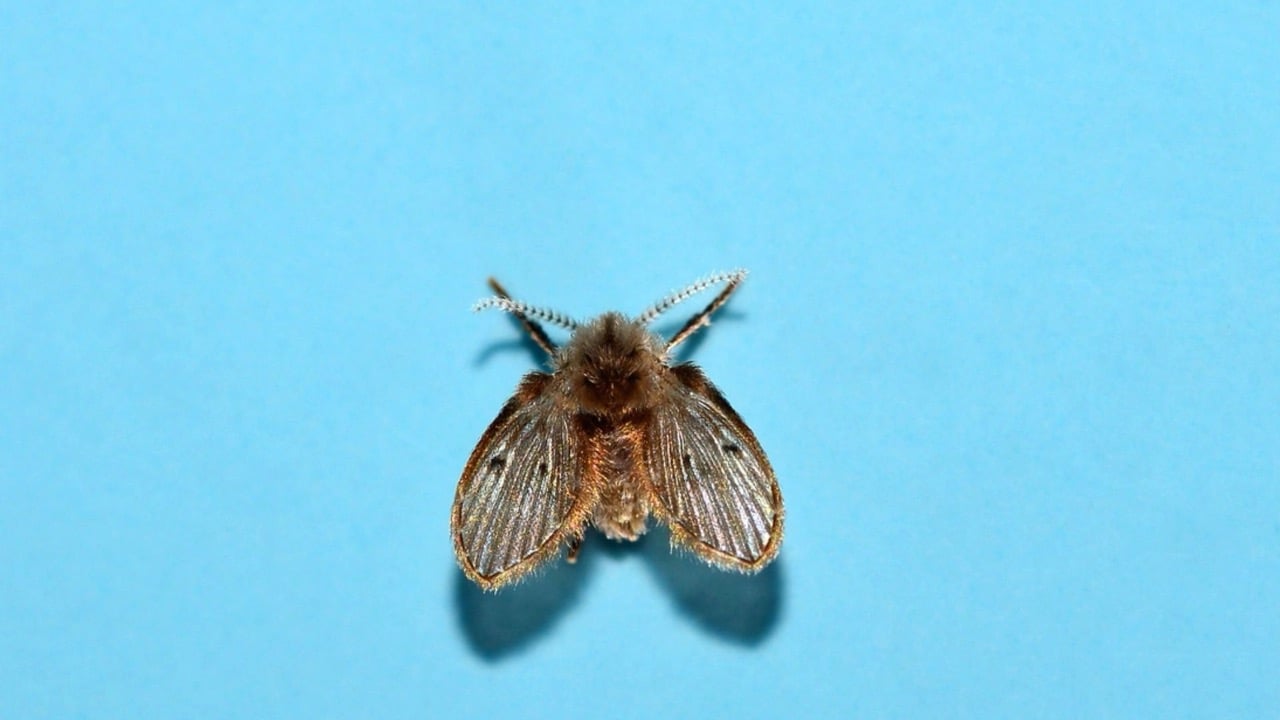
The drain fly is a small insect, usually gray or dark brown in color , whose body and wings are covered with fine hairs that give it a distinctive shape resembling a small butterfly.
They can often be seen perched on bathroom walls, or near the sink, drain, and gutters. Their flight is usually short compared to the faster-moving houseflies.
One of the signs that can help you identify it is the repeated appearance of small, butterfly-like insects around the drain , especially if they are constantly concentrated in the same place.
If the insect is completely different in appearance or appears far from the drains, it may be another type of household insect, and therefore you need to identify it before choosing a method of control.
Why do pigeon bugs appear?
The appearance of drain flies is linked to the presence of moisture and accumulated organic matter in a suitable place for egg-laying and larval growth.
With continued use, a layer of organic matter and sediment may accumulate inside some drains, particularly on the inner walls. When this layer remains moist, it can become a suitable environment for the insect's life cycle.
Therefore, when you notice small insects in the bathroom, pay special attention:
- Bathroom floor drains.
- The laundry's bank.
- Drainage openings and areas.
- Places where water collects.
- Areas of leakage and continuous moisture.
- Drains that contain accumulated organic sediments.
Identifying the area where the insects are concentrated greatly helps in reaching the source of the infestation instead of treating the entire pigeons randomly.
Why do pigeon bugs appear despite the cleanliness of the place?
You may clean the bathroom constantly and yet notice the insects reappearing; because clean surfaces do not necessarily mean clean drains from the inside .
A layer of organic matter may accumulate on the inside walls of the sink or drain and not be visible during daily cleaning. If this layer remains moist, it can provide a suitable environment for eggs and larvae.
Therefore, if insects are constantly appearing around the drain itself, it is important to inspect and clean the inside of the drain rather than just cleaning the floor and walls.
How to get rid of pigeon bugs
For better control, deal with the problem from more than one angle: the adult insects present, the immature stages, and the breeding ground itself .
1. Identify the source of the infection
Observe the areas where insects appear in large numbers. If they consistently congregate around a particular sink or drain, begin your inspection there.
If there is more than one drain, monitor each one separately until you determine the location most associated with the appearance of insects.
2. Clean the drain and sewer.
Don't just clean the drain cover or the visible part of it. Try to remove accumulated deposits and organic matter from the accessible interior parts, especially the sides and edges.
This step is important because it reduces the environment in which drain fly larvae can be found , and helps to prevent the continuation of the infestation cycle after controlling the adult insects.
3. Use a suitable insecticide to control adult insects.
Adult insects can be eliminated by using an insecticide that is suitable and registered for use against the target pest , applied in the manner and dosage specified on the product label.
One of the active ingredients used to combat many flying insects is cypermethrin, from the pyrethroid group, which is the active ingredient found in Demon Max .
Another suitable pesticide, such as Pegster, can also be chosen according to the active ingredient and uses listed on the product label.
The effectiveness of the control does not depend on increasing the amount of pesticide; the most important thing is to choose the right product and apply it in the targeted areas in the right way .
4. Use an insect growth regulator (IGR) when needed.
In cases of repeated infestation, an insect growth regulator (IGR) can be used within the control program, provided that the product is suitable and registered for this use.
The way IGR works differs from a pesticide that targets the adult insect; it affects the growth and development of the immature stages, which helps to cut short the insect's life cycle and reduce the emergence of new generations .
Therefore, an integrated pest management program can consist of an adult insecticide + an IGR suitable for immature stages + cleaning of the breeding site .
5. Treat the moisture and monitor the area.
After the treatment, check the area for any leaks or continuous water accumulation, and keep the drains clean and the bathroom well-ventilated.
Then monitor the level of infestation. A gradual decrease in the number of insects means that the treatment is going in the right direction, while their continued appearance in large numbers may indicate the presence of another hotspot that needs to be investigated.
What is the best insecticide for pigeons?
Choosing the best insecticide for pigeons does not depend on the strength of the smell or the increase in concentration, but rather on the active ingredient, the type of insect, and the method of use.
If it is confirmed that the insect is a drain fly, a suitable insecticide for adult insects can be used. One option that contains active ingredients from the pyrethroid group is Demon Max, which contains Cypermethrin .
In cases of persistent infestations, the control program can be supported by using an insect growth regulator (IGR) suitable for the immature stages, along with cleaning the drain and removing sediment that provides an environment for larval growth.
In this way, pest control targets the insects present, their life cycle and breeding grounds, instead of relying on spraying alone.
Important: Use pesticides and growth regulators according to the uses and dosages indicated on each product's label, and do not mix different products unless their instructions allow it.
Does chlorine kill pigeon bugs?
Chlorine is used to clean and disinfect many surfaces, but it should not be the only way to deal with drain flies.
The problem is that pouring a cleaning agent down the drain may not necessarily remove the organic layer adhering to the inside of the drain . If this layer remains, a suitable environment for larvae may still exist.
Therefore, cleaning the drain and removing the sediment is actually more beneficial than relying solely on pouring disinfectants.
Caution: Do not mix chlorine with detergents or other chemicals, as some mixtures may produce dangerous gases.
Summary
If you notice small, butterfly-like insects in your bathroom, appearing around drains and sinks , it's likely drain flies. The correct approach begins with identifying the infestation and cleaning away any debris inside the drain. Then, control the adult flies with an appropriate insecticide, and use an IGR growth regulator if needed to target the immature stages.
- Combining the appropriate pesticide, addressing the insect's life cycle, and cleaning the infestation site provides a more integrated control program and helps reduce the likelihood of pigeon bugs returning.